
Why Plug-In Solar Could Be the Next Big Thing for Renters & Homeowners
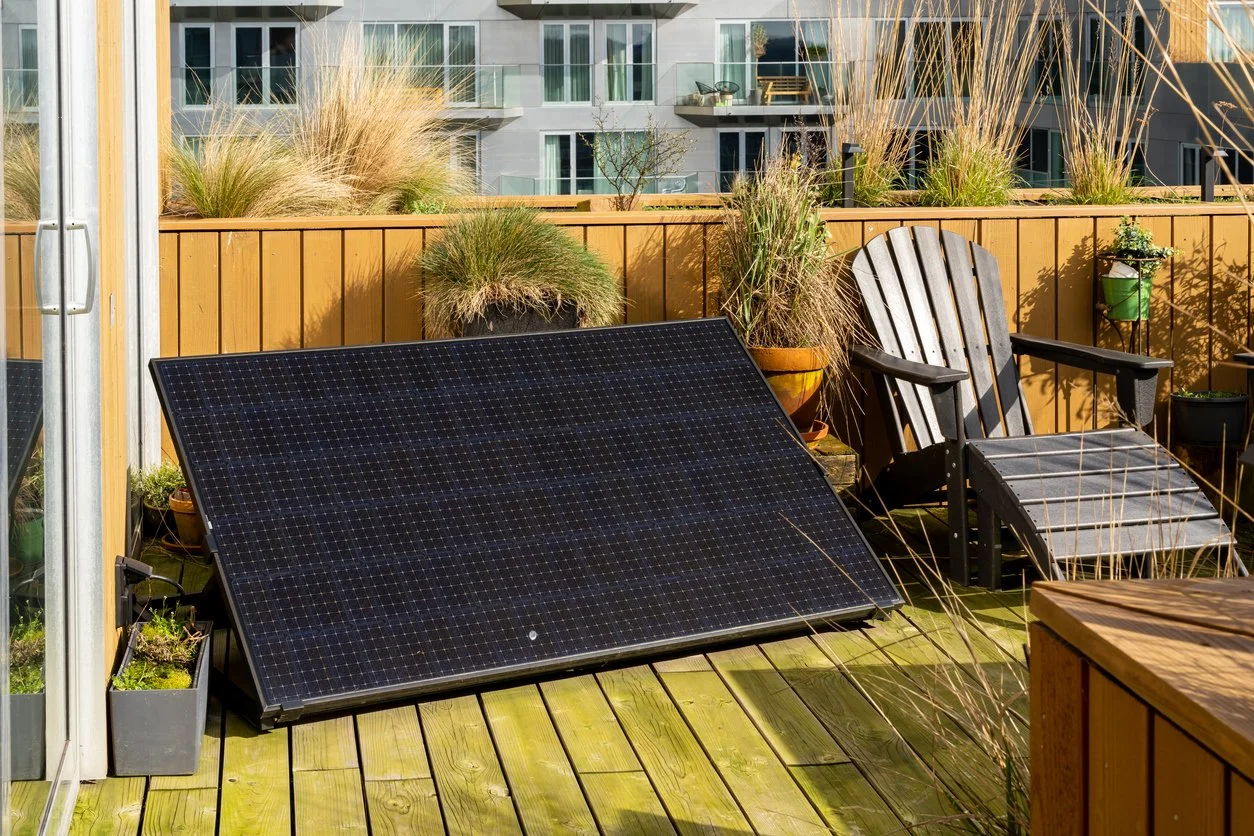
Plug-in solar panel could be placed almost anywhere and portable
For years, tapping into solar energy meant making a long-term, high-dollar commitment. A traditional rooftop array can easily cost upwards of $20,000, requires structural roof approvals, and takes years to payoff.For many residents across the Walla Walla Valley—especially renters, condo owners, historic home stewards, or buyers planning to move within a few years—traditional solar simply hasn’t been an option.
Enter plug-in solar.Also known as "balcony power plants," these compact, portable systems are sparking a new movement in residential energy. Instead of mounting heavy equipment to your rafters, plug-in solar uses small, manageable panels that feed energy directly into a standard wall outlet.
Here is what Walla Walla residents need to know about how this tech works, how it’s being used, and where Washington energy regulations are heading.
How "Plug-and-Play" Solar Works
Traditional rooftop systems require a dedicated circuit panel, extensive electrical permits, and specialized utility net-metering. Plug-in solar flips that model on its head.
Each kit includes a small solar panel and a compact micro-inverter. You mount or set up the panel where it catches the sun—on a sunny balcony railing, patio stand, or backyard deck—and plug the power cord straight into a standard 120-volt outdoor wall outlet.When sunlight hits the panel, the micro-inverter converts that energy into household AC power. Electricity always takes the path of least resistance, so the energy generated goes directly to feed whatever appliances are currently running in your home—like your refrigerator, Wi-Fi router, home office, or ceiling fans. If your home needs more power than the panel generates, it seamlessly pulls the remainder from Pacific Power or your local utility grid.
The Big Benefits: Low Investment & Ultimate Portability
The primary appeal of plug-in solar isn't replacing your entire grid connection; it's offsetting your household’s daily "baseline" power usage without breaking the bank.
No Roof Alterations: You don't need to drill holes into shingles or navigate strict Historic District guidelines.
Fraction of the Cost: Complete DIY plug-in kits typically cost anywhere from $400 to $1,200, making solar accessible without a home equity loan.
Take It When You Move: For renters or short-term homeowners, this is an asset you own outright. If you move from an apartment downtown to a home near Whitman College, your power setup moves with you.
Versatile Everyday Uses: Beyond offsetting household power, small dedicated solar setups are great for powering yard tech, outdoor sheds, smart garden systems, or specialized gear like phone-connected smart bird feeders.
The Legal Landscape: Are More States Allowing Them?
Because these systems interact directly with home wiring, safety regulations are a top priority.
Nine states—including Utah, Colorado, Maine, Virginia, and New Jersey—have already passed explicit laws allowing homeowners and tenants to plug in small solar setups (typically under 1,200 watts) without needing complex utility interconnections, provided the equipment meets national safety standards (UL 3700).
What about Washington state?
Washington lawmakers have actively reviewed dedicated "balcony solar" legislation to streamline how local utilities handle plug-and-play generation. While formal statewide adoption continues to evolve through upcoming legislative cycles, national manufacturing standards are making these units safer and more grid-compliant every year.
The Bottom Line for Walla Walla Property Owners
While plug-in solar won't completely eliminate a monthly electric bill during our cloudier winter stretches, it gives local residents an affordable entry point into clean energy. As local power rates and home tech continue to evolve, flexible energy options like plug-in panels add an attractive, forward-thinking touch to any living space.