
Population trends bring Challenges for Walla Walla
A recent Union-Bulletin article details population trends in Walla Walla and how it can impact our valley. So much of what we love about living in Walla Walla is that while it is a small city, we enjoy amenities and important services far above its size.
Here is a condensed recap of the important take-aways and I’ll include a link at the bottom to the full article, however, it will be behind a paywall unless you are a subcriber).
Population Trends in the Walla Walla Valley
Data Sidebar
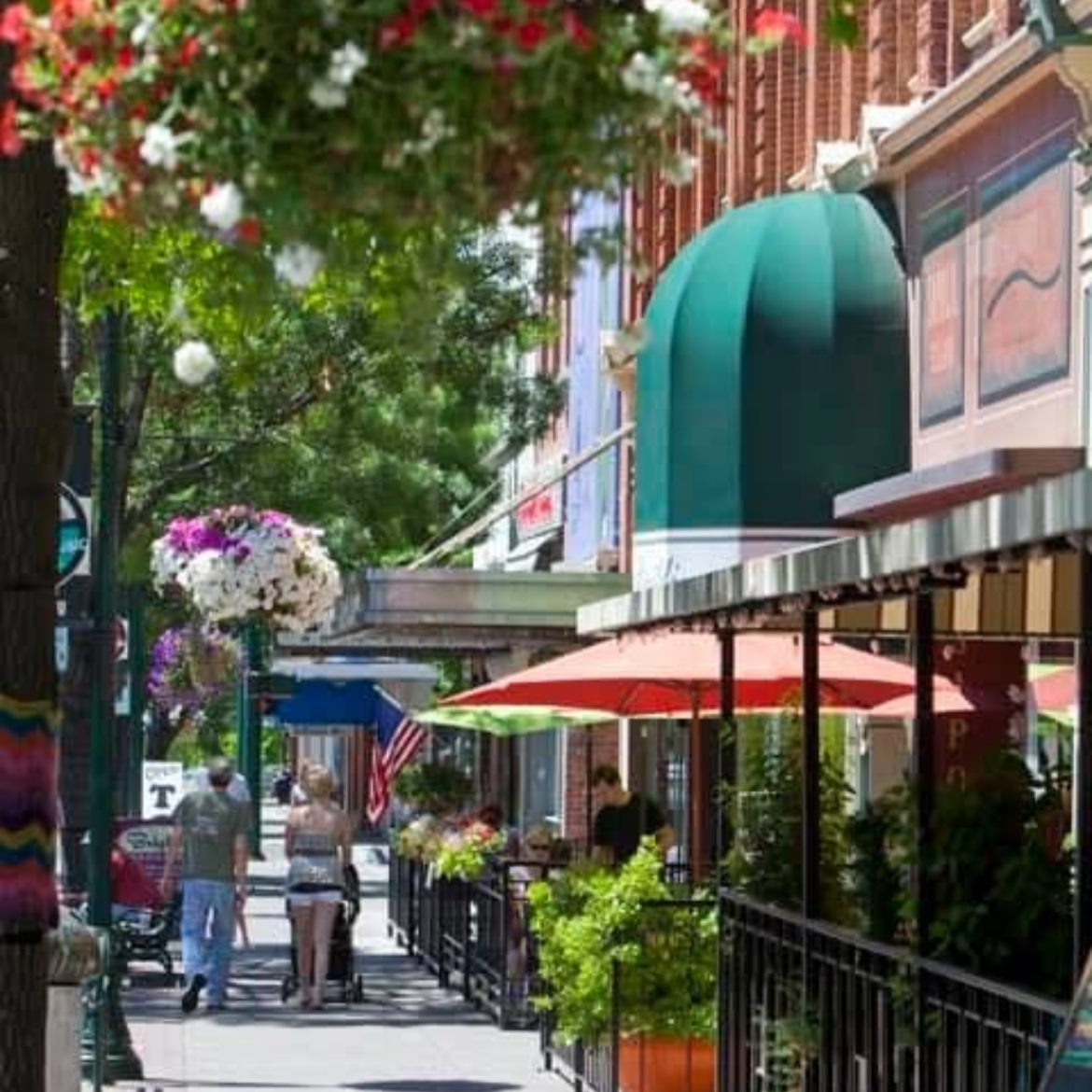
Main Street in Walla Walla
At a glance
Overall growth: Slow and uneven compared to other Washington regions
Natural change: Births have not consistently exceeded deaths in recent years
Migration: Net in-migration remains positive, but modest
Demographic tilt: Aging population, with slower growth among younger, working-age residents
What’s driving the trend
Smaller household sizes and lower birth rates
Longer life expectancy, increasing the median age
Limited in-migration of younger workers relative to demand
Housing affordability and workforce availability influencing relocation decisions
Key pressure points
Labor shortages across health care, education, agriculture, and service sectors
School enrollment variability rather than steady growth
Rising demand for health care and age-related services
Long-term planning challenges for infrastructure and public services
Why This Matters
For employers and the local economy
A slower-growing population means a tighter labor market. Employers may need to compete harder for talent, invest more in retention, or look to attract remote workers and relocating professionals to sustain growth.
For housing and development
Population trends shape what kind of housing is needed, not just how much. Demand may increasingly favor right-sized homes, ADUs, and age-friendly housing—while still requiring options that attract younger families and working professionals.
For schools and public services
Fluctuating enrollment and shifting age demographics require flexible planning, rather than assumptions of steady growth. Funding models, staffing, and capital investments must adapt to changing needs.
For long-term community vitality
The Walla Walla Valley remains highly livable, but demographic realities underscore the importance of intentional growth strategies—supporting workforce development, housing diversity, and policies that welcome new residents while serving longtime community members.
Currently, the City of Walla Walla is updating their comprehensive plan for 2026 with a 20-Year vision for our community. Stay informed on their website.
Link to full article with data graphs: https://www.union-bulletin.com/news/local/walla-walla-valley-population-trends-pose-challenges/article_22a19b7c-21c7-4ef2-b03c-d05565b7bd3f.html